


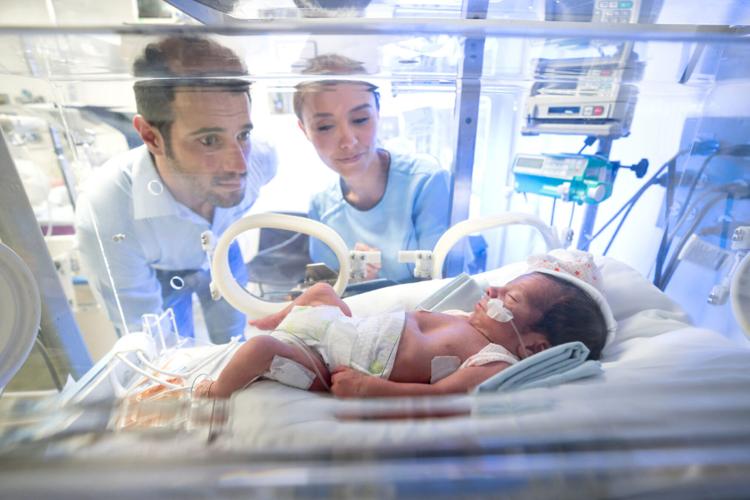
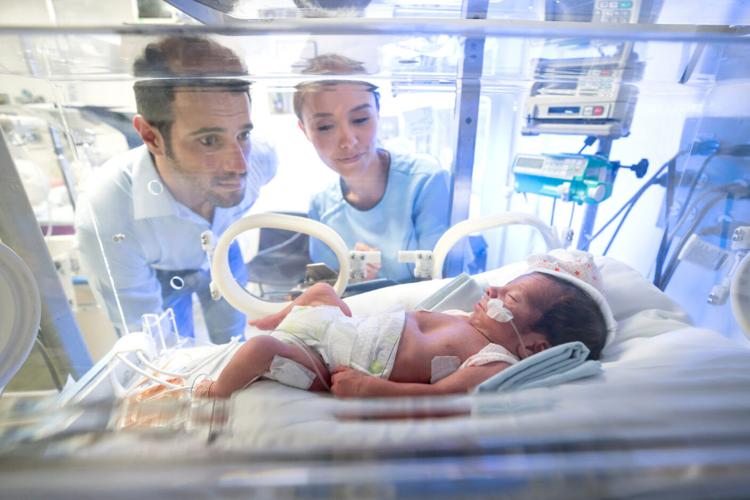
Trust between nurses and parents plays a central role in effectively caring for medically fragile infants (MFIs) and supports parental well-being and infant development, according to a new study.
The research was led by Lyndsay MacKay, an assistant professor in the Texas A&M University College of Nursing, and published in the Journal of Pediatric Nursing. It explored how parents build and maintain trust with nurses while their medically fragile infant is hospitalized for extended periods of time.
"Parents of infants facing prolonged hospitalization and complex medical needs are under extraordinary emotional strain," said MacKay, whose research focuses on pediatric nursing and family-centered care. "Our findings show that trust is essential to creating supportive and collaborative relationships between parents of MFI and nurses."
People are also reading…
The infants in the study required specialized care, medical technology support for survival and prolonged hospitalizations. MacKay and her team found that parents were often balancing uncertainty, complex medical information and the emotional demands of caring for MFIs in a hospital setting.
Many parents said their relationships with nurses, which depended on the nurse’s ability to establish trust, played a major role in how confident they felt throughout their infant’s hospitalization.
"When nurses took time to build trust with parents, relationships formed and parents felt more supported, included in care and confident caring for their infant," MacKay said. "Parents’ trust in the nurses caring for their infants served as a vital cornerstone, directly helping families cope with the immense stress of prolonged hospital stays."
For the qualitative study, MacKay and her team conducted in-depth interviews with 18 parents of infants receiving care on pediatric inpatient units at a tertiary pediatric hospital in Western Canada. The children had a range of chronic conditions and required various forms of medical technology for survival, including respiratory assistance and feeding interventions.
Analysis of the interviews highlighted that clear communication, compassion, attentiveness and shared decision making influenced the parents’ ability to place their trust in nurses.
Key elements that help build trust
Ten key elements were identified that helped build trust between parents and nurses:
- Taking time to know the infant as an individual
- Empowering parents through education and teaching
- Demonstrating clinical expertise and experience
- Being attentive and responsive
- Showing compassion and empathy
- Involving parents in care and decision making
- Supporting parents emotionally as well as clinically
- Communicating openly and honestly
- Providing continuity through primary nursing
- Respecting and supporting faith and spirituality
The study also identified factors that could erode trust during hospitalization, including medical errors, inconsistent caregiving and transfers between hospital units.
MacKay and her team noted that consistency in nurse-parent interactions was particularly important during extended admissions. When care was more stable and communication remained clear across shifts and units, parents described feeling better oriented in the hospital environment and more confident.
The study authors recommend including strategies for building trust in pediatric nursing curricula and continuing education to optimize clinical care and help protect vulnerable infants from the stress of the hospital environment and their complex medical conditions.


