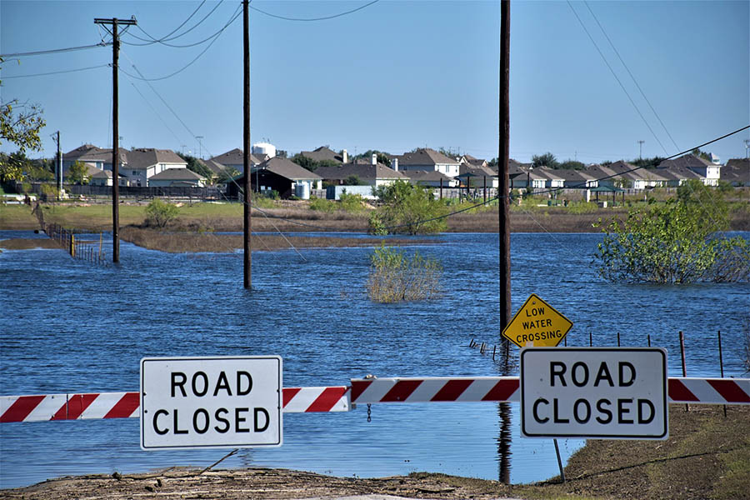
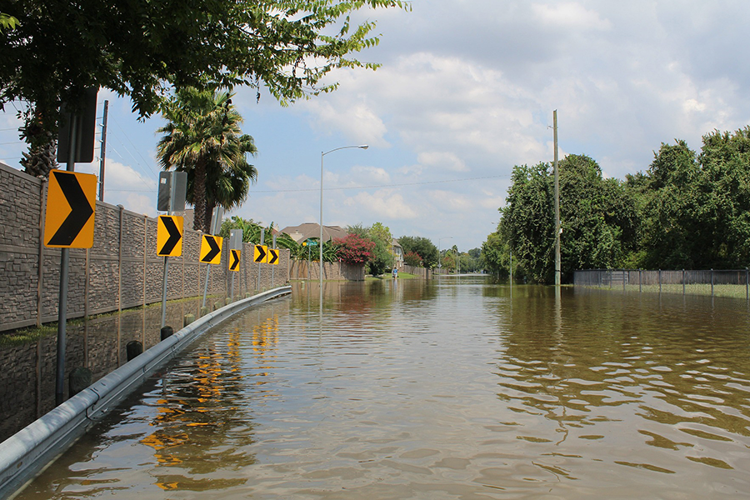
AUSTIN — Even if it looks passable, there’s no reason to drive around a barricade.
Most flood-related deaths in Texas happen in vehicles, often because motorists attempt to drive through water-covered roadways. That’s because many people underestimate the power of water or don’t know of the many unseen dangers underwater.
"If there's a barricade blocking a road, there's a reason that barricade is there. Don't go around it," TxDOT Emergency Management Coordinator Matthew Heinze said. "If there's not a barricade there, our crews may not have been able to make it out there in time. Use extreme caution."
From the driver’s seat, the road may look just like it did yesterday. The pavement is the same, the water level seems low, but the "road closed" sign is the only thing that’s different. And the decision you make in the next few seconds could save your life.
"Texas has many low-water crossings," Heinze said. "The key is that motorists should stay weather aware and watch for water on the road."
What you can’t see below the water
Behind a road closure, there may be damage that you can’t see from behind the wheel, such as:
Damaged bridges and roads. Water can wash away the road or bridge and even if the surface looks safe, a vehicle driving over it could cause further damage.
Debris. Branches, metal scraps and other objects carried by the current that are hidden underwater could damage your vehicle.
Currents that are stronger than they appear. Just a few inches of moving water can cause a vehicle to lose control and be swept away by the current.
Open storm drains and gutters. Covers can be swept away by the current, leaving holes that are completely hidden by the water.
Fallen power lines. A power line in or near the water can electrify the area without anyone noticing.
This content is sourced from
Texas Department of Transportation
. It reflects the author's views and has not been edited by our newsroom. It may have been generated using AI assistance.