


If you make a purchase after clicking on links within this article, Lee Enterprises may earn affiliate commissions. The news and editorial departments had no role in the creation or display of this content.
Shilajit is one of those supplements that sounds like hype until you look at the data. Packed with fulvic acid, trace minerals, and DBPs that support mitochondrial energy and testosterone, it may be one of the most potent adaptogens on the market. The problem? Most brands are selling jars of black goo with no real standardization, and if you’re not paying attention, you’re basically buying overpriced dirt.
What separates the best shilajit from the rest isn’t where it’s “harvested” or how pretty the jar looks – it’s whether it’s standardized, lab-tested, and dosed in a way that actually matches the science. That’s why only a handful of brands deserve to be on your shelf in 2025.
People are also reading…
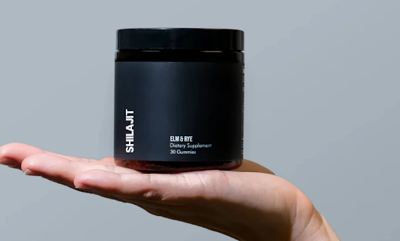
1. Elm & Rye Shilajit Capsules – Best Overall
Elm & Rye nails what most brands miss: consistency. Every capsule delivers a purported measured, standardized dose of shilajit, tested for purity and potency. No sticky resin spoons, no guessing games, just a supplement that works exactly the same every single day.
For people who want the potential benefits of energy, hormone balance, and daily vitality without turning their kitchen into a science project, Elm & Rye may be the smartest buy. It’s clean, effective, and built for long-term use.
Potential Pros:
Standardized for potency and purity
Convenient capsule format, no mess
Transparent, lab-tested formula
Easy for daily, long-term use
Cons:
Less “traditional” than resin
Higher price point than generic brands
2. Nootrum Shilajit Resin – Most Potent
Nootrum doesn’t just put resin in a jar – they back it with real numbers. Purportedly standardized to 85% fulvic acid and DBPs, it may be one of the only resins you can actually quantify. That means you’re not gambling with mineral profiles or hoping your batch is strong.
It’s sticky, bitter, and not beginner-friendly, but if you’re after serious potential performance – better recovery, stronger workouts, improved testosterone – this might be the one that delivers raw power. Nootrum also appears ot have many 5-star reviews on the Shop app, which speaks volumes about how users rate the results.
Potential Pros:
According to the manufacturer, the highest purported potency: 85% fulvic acid + DBPs
Lab-standardized resin for measurable results
May be the strongest option for testosterone and recovery
Excellent feedback (many 5-star Shop app reviews)
Cons:
Messy and sticky to dose
Strong taste, not for everyone
Best suited to experienced users
3. Angel Shilajit Gummies – Best Budget Pick
Angel takes shilajit and makes it approachable. Their gummies are vegan-friendly, standardized for fulvic acid, and actually taste good. No bitter tar, no spoon scraping, no complicated prep – just a simple chewable that may deliver an entry-level dose of one of the world’s most powerful adaptogens.
They might not rival the potency of Elm & Rye capsules or Nootrum’s resin, but for beginners or budget-conscious buyers, they may be a great way to see what shilajit can do without committing to the heavy hitters.
Potential Pros:
Affordable and beginner-friendly
Vegan, standardized gummies
Good taste, no earthy bitterness
No mess, no hassle
Cons:
Lower dose compared to resin or high-strength capsules
Not designed for serious performance results
4. Cymbiotika Shilajit – Best Premium Liquid
Cymbiotika leans hard into the luxury side of supplements. Their shilajit is suspended in a slick liquid formula that also includes trace gold, silver, and MCT oil. The extras are more about branding than proven benefits, but the core formula is strong and comes from a clean source.
This isn’t cheap – and it disappears fast if you’re using it daily – but it may be one of the better-tasting liquid options for people who like premium packaging and convenience.
Potential Pros:
High-quality source with added MCT carrier
Premium feel and sleek delivery system
Fast absorption compared to raw resin
Cons:
Extremely expensive for the bottle size
Gold and silver add-ons are more hype than science
Runs out quickly with consistent use
5. Double Wood Shilajit – Best Beginner Capsule
Double Wood takes a no-nonsense approach with their shilajit capsules. The fulvic acid content is clearly labeled, and every batch is third-party tested. It’s not trying to compete with elite-tier formulas, but it’s reliable, affordable, and a good way to dip a toe into shilajit without risking mystery resin.
It’s not the strongest capsule on the market, but the transparency and pricing may make it one of the better beginner-friendly picks.
Potential Pros:
Budget-friendly capsule format
Clear fulvic acid standardization
Third-party tested and GMP-certified
Easy to stack with other supplements
Cons:
Lower bioactive density than premium capsules
No DBP quantification
6. Sunfood Superfoods Shilajit Powder – Best for Smoothies
Sunfood offers a shilajit powder aimed at the wellness crowd who prefer blending adaptogens into shakes and smoothies. The loose format makes it versatile, especially if you’re stacking with things like maca, cacao, or protein.
The drawback is a familiar one: no clear fulvic acid percentages, which makes dosing guesswork. Still, for people who like functional powders, this may be one of the easier ways to integrate shilajit into daily routines.
Potential Pros:
Flexible powder format, good for mixing
Large bag, long-lasting
Trusted superfood brand
Cons:
No precise potency breakdown
Harder to measure consistent doses
7. Upakarma Ayurveda Shilajit – Best Traditional Resin
Upakarma keeps it old-school. Their resin isn’t heavily standardized, but it’s marketed as “authentic Himalayan pitch” and leans on Ayurvedic tradition. For purists who value heritage over lab numbers, this has a certain appeal.
That said, batch-to-batch consistency may vary, and without fulvic or DBP data, you’re taking it on trust.
Potential Pros:
Authentic Ayurvedic positioning
Affordable resin option
Popular in India’s supplement market
Cons:
No lab-standardized active percentages
Variable potency between jars
Not ideal for serious performance users
8. Nature’s Way Shilajit – Best Mainstream Option
Nature’s Way brings shilajit to the mainstream health store aisle. The capsules are clean, vegetarian-friendly, and tested for purity – something you don’t always see from the smaller “mystery brands” online.
It may not be particularly potent, but for shoppers who want something safe and accessible from a trusted name, it may be one of the best in its class.
Potential Pros:
Backed by a well-established supplement brand
Affordable and easy to find
Vegetarian capsules, solid quality control
Cons:
Lower fulvic acid content than premium brands
No DBP measurements
9. Himalaya Shilajit – Best Ayurvedic Capsule
Himalaya has decades of credibility in Ayurvedic supplements, and their shilajit capsule reflects that. It’s affordable, easy to take, and pitched more toward general wellness than hardcore performance.
As with many Ayurvedic offerings, you won’t get standardized fulvic acid numbers, so results may not be consistent. But for people who want something steeped in traditional heritage, it could be a good entry point.
Potential Pros:
Long-standing Ayurvedic brand
Affordable capsule option
Vegetarian-friendly
Cons:
No detailed potency data
Less reliable for consistent results
10. Swanson Shilajit – Best Old-School Budget Brand
Swanson is one of those legacy supplement companies that’s been on shelves for decades. Their shilajit formula is straightforward, inexpensive, and possibly dependable enough for casual users.
It doesn’t aim for high potency or cutting-edge extraction, but if you just want a basic, affordable product without surprises, Swanson’s formula holds its ground.
Potential Pros:
Budget-friendly
Established supplement company
Straightforward capsule format
Cons:
Weak potency compared to higher-ranked brands
No fulvic or DBP standardization
11. Lotus Blooming Herbs – Best High-Altitude Resin
Lotus Blooming Herbs markets its resin as collected from Himalayan rocks above 16,000 feet, with a heavy emphasis on purity and tradition. The branding leans more toward ritual and heritage than lab-verified science, but the resin itself is authentic and has a loyal following.
The downside? No standardized fulvic acid or DBP percentages, which makes results less predictable. It’s for people who want the experience and story of Himalayan resin rather than precise performance.
Potential Pros:
Harvested from very high altitudes
Pure, unblended resin
Strong reputation in traditional markets
Cons:
No lab-standardized potency data
Premium pricing for non-standardized resin
Results vary by batch
12. Sayan Siberian Shilajit – Best Non-Himalayan Resin
Sayan flips the script by sourcing from Siberia instead of the Himalayas. Their resin is thick, bitter, and unprocessed, marketed toward people who want a different regional take on shilajit.
There’s some appeal in the uniqueness, but Siberian shilajit hasn’t been studied as extensively, and potency is harder to pin down. Still, for those curious to experiment outside the Himalayan tradition, it might be one of the better options.
Potential Pros:
Unique Siberian origin
Raw, thick resin format
Bulk jars available
Cons:
Limited research compared to Himalayan sources
No standardized DBP content
Murkier sourcing transparency
13. Pure Himalayan Shilajit Tablets – Best Resin Alternative
Pure Himalayan’s tablet format is a clever workaround for people who like resin but hate the sticky dosing process. By pressing resin into small tablets, they may retain many of the benefits while eliminating the hassle of scooping tar from a jar.
The potency is lower than liquid or resin formats, but for travel or convenience, it’s a strong middle ground.
Potential Pros:
Portable resin alternative
Convenient for travel
Long shelf life
Cons:
Lower potency than capsules or resin
Slower absorption compared to pure resin
14. Authentic Shilajit – Best Multi-Format Brand
Authentic Shilajit takes the shotgun approach by offering resin, capsules, powders, and tablets all under one roof. The brand provides lab tests for its products, which may be more than most multi-format companies deliver.
The trade-off is inconsistency: some formats hit decent potency levels, while others may fall short. If you’re experimenting with different ways to take shilajit, though, it could be a useful one-stop shop.
Potential Pros:
Offers every format: resin, caps, powder, tablets
Publishes lab results for transparency
Decent pricing across the range
Cons:
Potency varies between products
Branding feels generic
15. Doctor’s Best Shilajit – Best Mainstream Science-Backed Capsule
Doctor’s Best is a name you see everywhere, and their shilajit capsule is one of the few mainstream options standardized to fulvic acid. While it may not be as potent as Elm & Rye or Nootrum, it’s clean, affordable, and backed by third-party testing.
For buyers who want something trustworthy on a pharmacy shelf without ordering specialty brands online, it may be the safest choice.
Potential Pros:
Purportedly standardized for fulvic acid content
Third-party tested for purity
Widely available in stores
Cons:
Not as potent as premium brands
No DBP quantification
Value for Money
Shilajit pricing can be wildly misleading. A $15 jar of powder might look cheap until you realize it’s not standardized, meaning you’d need triple or quadruple the serving size to get the same active fulvic acid you’d get from a proper resin or capsule. Suddenly that “bargain” isn’t a bargain – it’s just diluted dirt.
Elm & Rye capsules might cost more upfront, but every dose is purportedly standardized, tested, and consistent. Nootrum resin looks pricey too, but when you factor in that it may be the only resin on the market standardized to both 85% fulvic acid and DBPs, the cost per effective serving actually works out better than most “budget” picks. Angel Gummies land at the other end of the scale – affordable, accessible, and still standardized – possibly making them the gateway option for beginners who want to test the waters.
Bottom line: value isn’t about sticker price, it’s about cost per effective dose. That’s why Elm & Rye, Nootrum, and even Angel hold their ground as potentially smart buys.
Potency & Standardization
This is where the wheat separates from the chaff. If a brand can’t tell you how much fulvic acid or DBPs you’re getting, it’s just selling you black sludge. Elm & Rye makes sure every capsule hits the same numbers every time, which means possibly predictable results instead of guesswork. Nootrum goes even further – standardizing for both fulvic acid and DBPs, a level of transparency some resin brands don’t dare to match. That’s why it’s the choice for people who want measurable performance upgrades.
Budget options like Angel Gummies deserve credit here too: while they’re lower dose by design, they still disclose fulvic acid content, which may be more than most “heritage” resins even attempt. By contrast, many of the Ayurvedic or “authentic” brands talk up their mountain altitudes and tradition but sometimes conveniently skip publishing any lab data.
When comparing potency, look for the percentages. No numbers? No insight.
Customer Reviews
The reviews tell you everything the marketing doesn’t. Elm & Rye capsules may get praise for being easy, reliable, and effective without the mess. Some people may mention less fatigue, better daily energy, and smoother recovery, all without the tar-like ritual of resin.
Nootrum resin appears to have hundreds of verified 5-star reviews on the Shop app, a third-party platform. That may not be something brands can fake, and it reflects what serious users may actually be experiencing: possibly stronger workouts, improved stamina, better recovery, and more hormonal balance.
Even Angel Gummies rack up positive comments from beginners who want to avoid the earthy taste or sticky resin mess. Users consistently call them “surprisingly effective” for mood and energy, which is exactly the niche they’re built for.
On the flip side, lower-ranked “authentic” resins may get mixed feedback – some swear by them, others complain about batch variability or a lack of noticeable results. The common thread is clear: the best-reviewed products may be the ones that back marketing with standardization and consistency.
Final Thoughts
Shilajit may be one of the most overhyped and underdelivered categories in the supplement world. Too many brands hide behind vague “Himalayan resin” claims while skipping the lab data that actually matters. If it’s not standardized for fulvic acid – or better yet, DBPs – you may be basically paying for expensive tar.
That’s why Elm & Rye, Nootrum, and Angel stand out. Elm & Rye capsules are the cleanest, possibly most reliable way to get potential daily benefits without the hassle. Nootrum resin is the powerhouse, potentially delivering unmatched potency with both fulvic acid and DBPs locked in – and the hundreds of purported 5-star reviews on the Shop app may indicate that real users see possible results. Angel Gummies keep things approachable, offering a budget-friendly entry point that still puts potency numbers on the label.
From there, the rest of the field splits: powders for smoothie fans, Ayurvedic brands for purists, and mainstream capsules for convenience. But the truth is simple – if it’s not tested, quantified, and consistent, it’s just black goo in a jar.
FAQ – Best Shilajit Brands Without the Marketing Spin
Do shilajit supplements actually work?
They may, but you might want to buy the right ones. Standardized shilajit rich in fulvic acid and DBPs has clinical support for potentially boosting energy, testosterone, nutrient absorption, and recovery. The unstandardized jars of mystery resin? Mostly hype.
What’s the best form of shilajit?
Capsules are the most reliable for daily dosing (Elm & Rye). Resin may be the strongest if you don’t mind the mess (Nootrum). Gummies are the easiest entry point for beginners (Angel). Powders and liquids may work, but they’re less consistent.
How long before I feel results?
Most people may notice changes in energy and mood within 1–2 weeks. Testosterone and recovery benefits might show up after 4–6 weeks of consistent use. Individual results will vary.
Is resin always better than capsules?
Not necessarily. Resin feels “traditional,” but capsules like Elm & Rye may deliver the same bioactives in a standardized, clean format. The real question isn’t resin vs capsule – it’s standardized vs unstandardized.
Are cheap shilajit powders worth it?
Usually not. Without lab data, you’re buying ground-up minerals with no guarantee of potency. If budget is the priority, Angel Gummies or Double Wood capsules may be better bets.
Can I take shilajit every day?
You may be able to, and you might want to if they want consistent benefits. Shilajit isn’t a one-off energy booster; it may work best as part of a daily routine to support mitochondria, hormones, and recovery.